Distortion & Cracking
Non-uniform cooling rates induce thermal stresses exceeding the material's yield strength, causing warping or cracking.

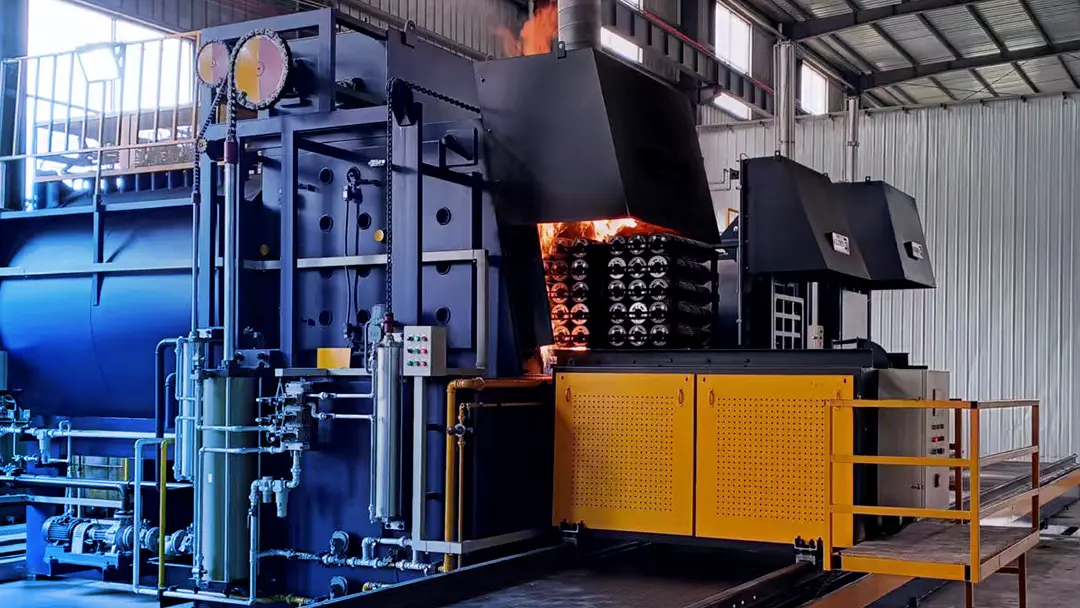
Heat Treatment Fluid Solutions
Optimize hardness, minimize distortion, and maximize toughness. KERUN delivers tailored thermal processing solutions that transform metallurgical potential into consistent part performance.
Process Challenges
In heat treatment, there is no room for error. The few seconds of quenching determine the part's entire service life. Variability leads to scrap, warranty claims, and compromised safety.
Non-uniform cooling rates induce thermal stresses exceeding the material's yield strength, causing warping or cracking.
Soft spots or insufficient case depth due to poor agitation, degradation, or incorrect quench severity (H-value).
High-temperature exposure leads to surface scaling and carbon loss, degrading fatigue life and surface finish.
Thermal oxidative thickening or thinning of oils, and bacterial growth in polymers, increase operating costs.
KERUN Solution Approach
We analyze your alloy's Time-Temperature-Transformation (TTT) diagram and component geometry. By identifying the Critical Cooling Rate (CCR), we pinpoint the exact moment martensite begins to form, allowing us to tailor the fluid's thermal extraction profile.
We formulate to hit specific 'H-values' (Quench Severity). Unlike one-size-fits-all oils, we adjust the vapor film collapse point and convection intensity to ensure through-hardening without inducing thermal gradients that cause cracking.
During commissioning, we optimize pump speeds and nozzle angles. Proper agitation is critical to scrub the vapor blanket and maintain uniform bath temperature, ensuring the quench is consistent from the first part to the last.
Via our LMS program, we track viscosity and Acid Number trends. As thermal oxidation occurs, we detect subtle shifts in the cooling curve before they impact part quality, triggering corrective actions to restore optimal performance.
Product Systems
Each product family is positioned as part of a process solution, supported by technical review, testing, and operating guidance.
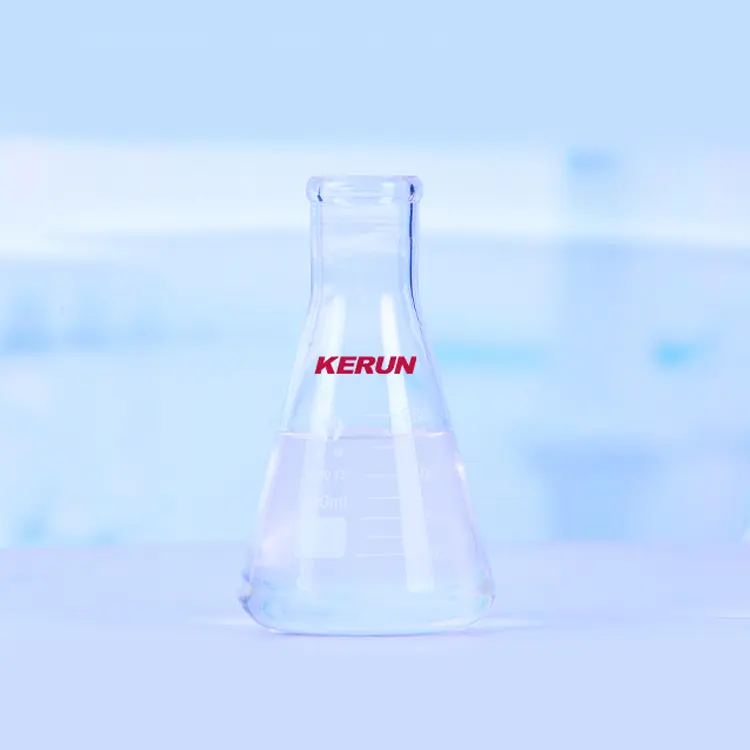
Featured
Precise cooling control minimizes distortion and cracking for consistent heat treatment results.
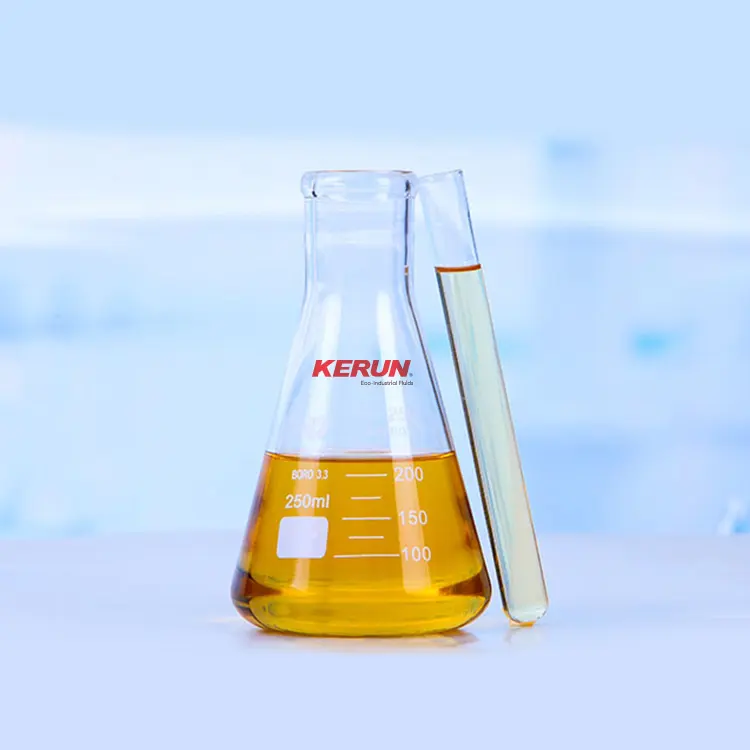
Featured
Combines rapid cooling and bright finish for enhanced part surface quality.
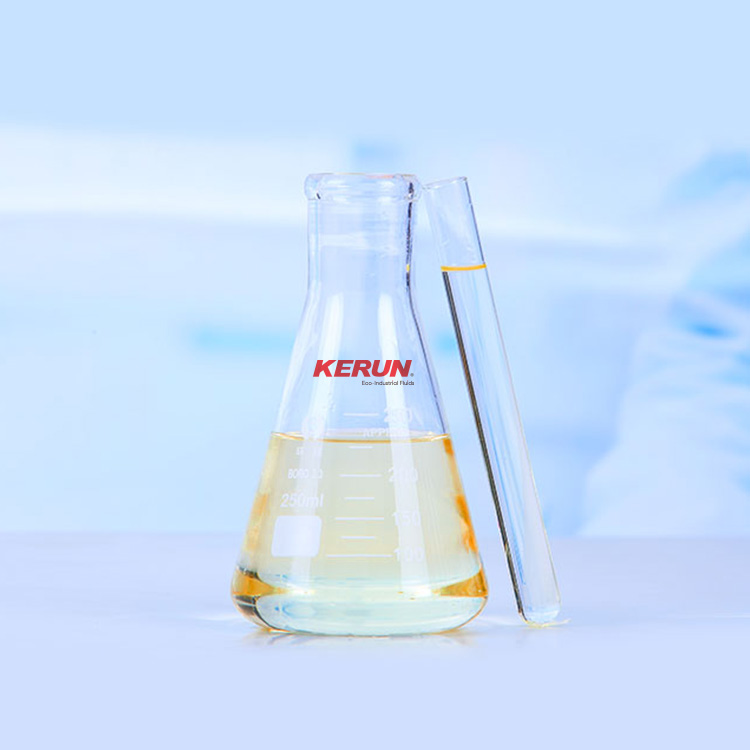
Featured
Fast cooling with excellent stability meets high-efficiency quenching requirements.
Typical Applications
Heat treatment fluid performance is especially important for parts where hardness, microstructure, distortion control, surface cleanliness, and stable delivery directly affect product value and customer audits.
Heat treatment performance is often connected to upstream machining, intermediate cleaning, and long-term fluid management.
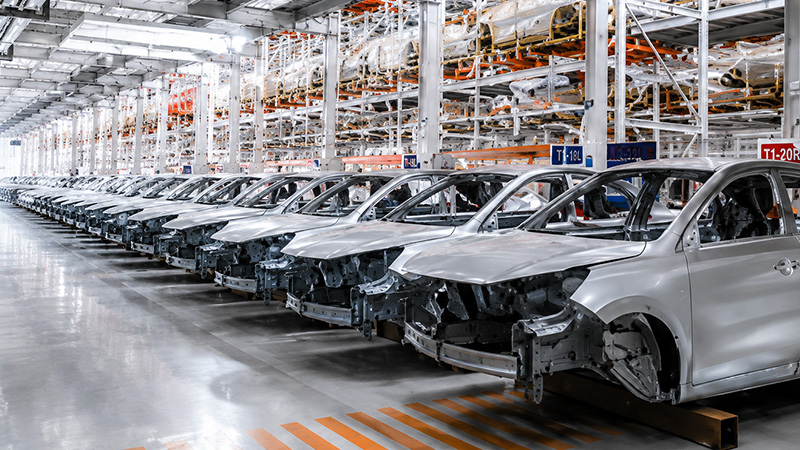
Project Background: In recent years, the new energy vehicle (NEV) sector has experienced rapid growth. As a leading player in
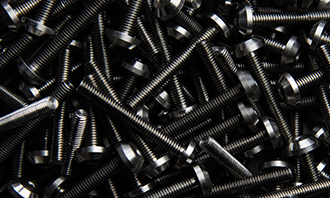
Project Background: A leading company in automotive fastener production, this crown enterprise is the primary supplier of engine fasteners for

Project Background: The client is a renowned brand in the wind power gearbox industry, dedicated to providing gearbox and transmission
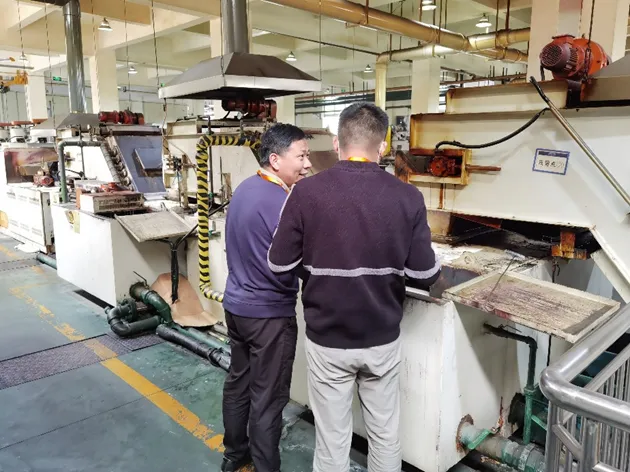
Project Background: As an industry leader, a well-known international bearing company has always been committed to technological innovation and quality
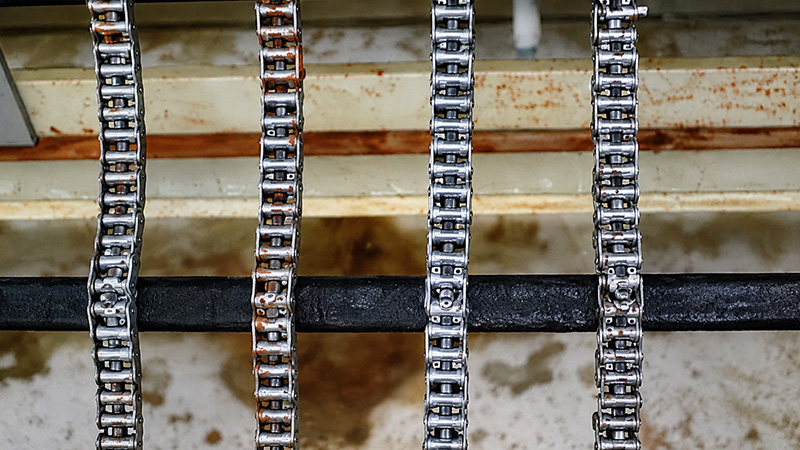
A U.S.-based automotive parts supplier, one of the largest globally, is committed to providing innovative and sustainable mobility solutions to the
Stay updated with our latest blogs on eco-industrial fluid technology, industry trends, and sustainable practices in fluid management.

Share your material, component, furnace type, quenching method, current fluid condition, and production challenges. KERUN’s technical team can help identify a suitable fluid system and lifecycle support plan.