In the wear-resistant materials industry—such as the production of high-chromium wear plates and steel grinding balls—quenching has always been a critical process that directly determines product quality and performance. Among various methods, air cooling and air-mist quenching remain the most traditional and widely used techniques, yet they also come with notable limitations.
Air Cooling: The cooling rate is slow, making it difficult for workpieces to achieve high hardness. This often requires excessive alloying to improve hardenability.
Air-Mist Cooling: The presence of windward and leeward surfaces tends to result in uneven hardness across the workpiece, leading to the common issue of “shadowed surfaces”.
These challenges have long troubled manufacturers, compromising both product quality and market competitiveness. In response, we are proud to offer a reliable and proven solution—the KR8280 Uniform Cooling Medium.
Breaking Tradition, Solving Industry Pain Points
The KR8280 Uniform Cooling Medium leverages innovative cooling control technology to fundamentally resolve the shortcomings of traditional air and air-mist quenching—specifically, the issue of insufficient hardness after quenching.
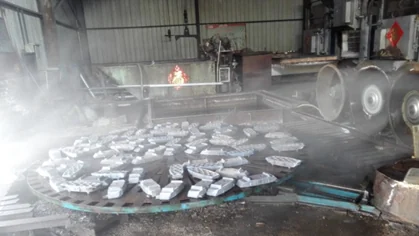
Figure 1 | Traditional Air-Mist Quenching
In traditional air-mist cooling, uneven cooling between the windward and leeward surfaces often leads to inconsistent hardness across the workpiece. The frequent occurrence of “shadowed surface” defects not only reduces product wear resistance and service life, but also increases the defect rate—ultimately driving up production costs.
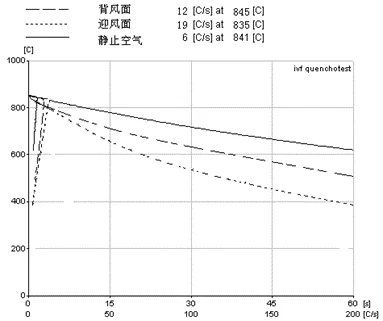
Figure 2 | Cooling Performance Comparison Between Windward and Leeward Sides of the Workpiece
In contrast, during the quenching process, the KR8280 Uniform Cooling Medium—thanks to its unique formulation and physical properties—delivers uniform cooling across the entire workpiece. It ensures consistent cooling rates at every point, resulting in even hardness distribution. This effectively eliminates the “shadowed surface” issue and significantly enhances product quality consistency.
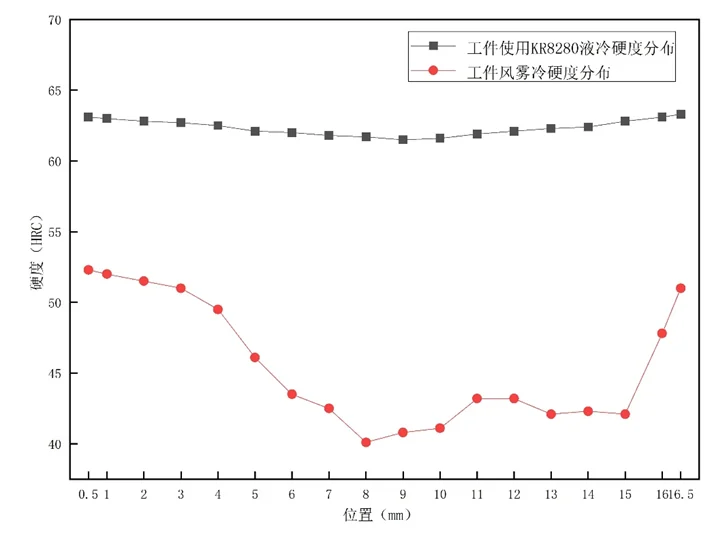
Figure 3 | Hardness Distribution Under Different Cooling Conditions
Distinct Cooling Speed Advantage, Significant Cost Savings
The KR8280 Uniform Cooling Medium offers a cooling rate between that of air-mist and oil quenching, delivering tangible economic benefits. Under the same alloy composition, it enables higher quenching hardness, allowing manufacturers to reduce alloying element usage while still achieving equal or even superior product performance—cutting material costs without compromising quality.
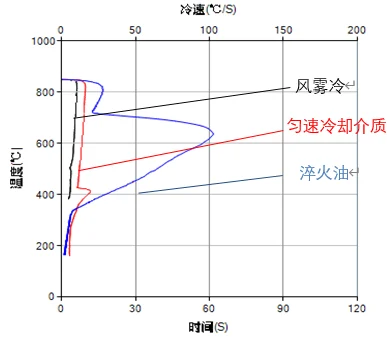
Figure 4 | Cooling Curve Comparison: Air-Mist, Uniform Cooling Medium, and Quenching Oil
Alloy elements are often costly, and reducing their usage directly lowers raw material procurement costs. At the same time, the improvement in product quality reduces defect rates and rework costs, saving the company money from multiple angles and enhancing its market competitiveness.
Enhancing Overall Performance, Extending Service Life
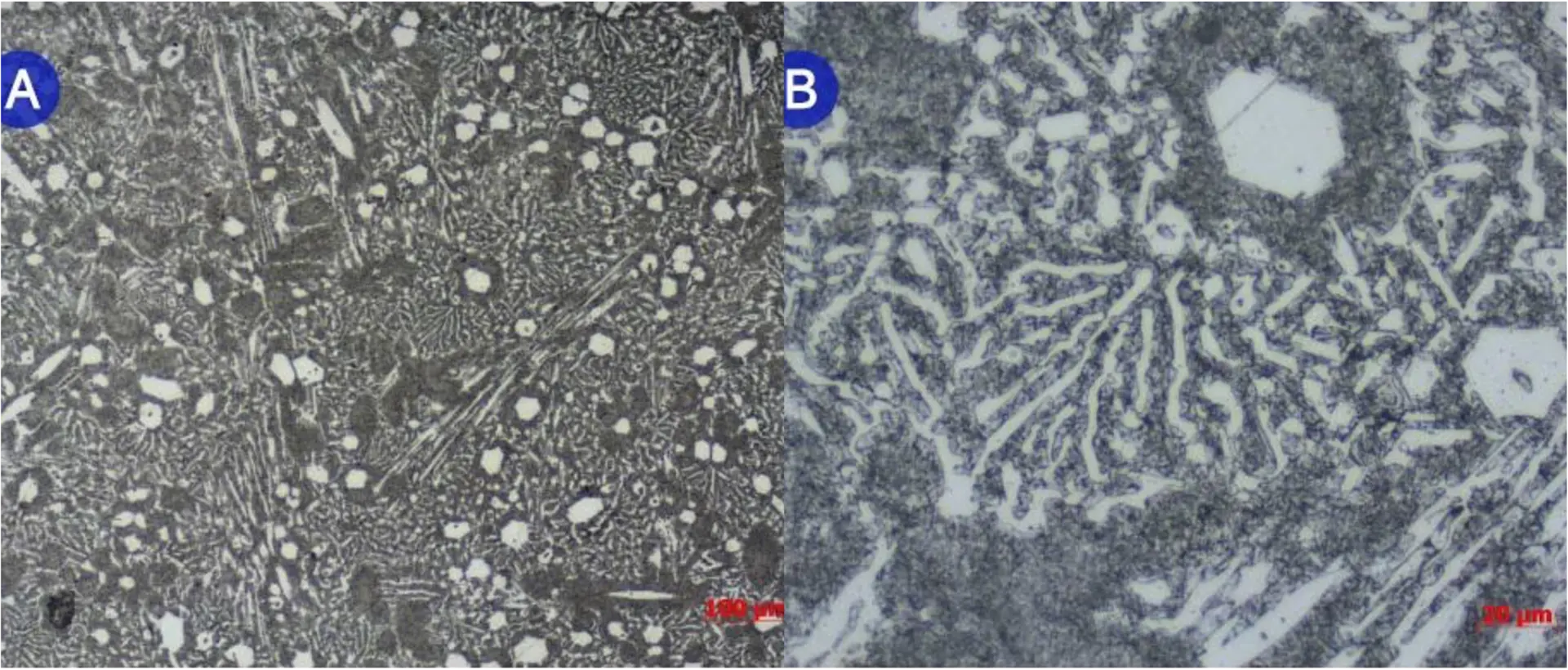
Using the KR8280 Uniform Cooling Medium for quenching not only ensures uniform hardness but also promotes more uniform internal microstructure in wear-resistant castings. This consistent hardness and structure provide greater performance stability, effectively extending the service life of the components.
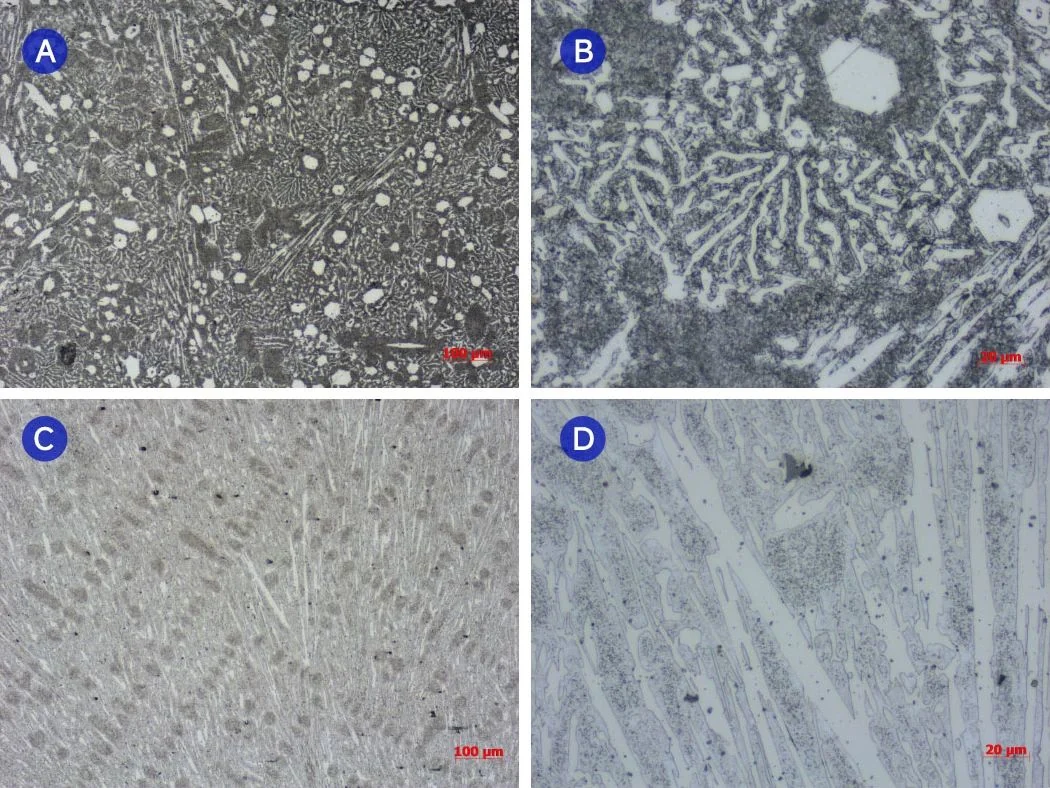
Figure 5 | Microstructure of Workpiece After Quenching with Different Cooling Media
(a) and (b) Quenching with Quenching Liquid
(c) and (d) Air-Mist Cooling
This significantly reduces replacement frequency, lowers equipment maintenance costs, and enhances production efficiency for wear-resistant products such as wear plates and steel grinding balls, which operate under harsh conditions over extended periods.
Innovative Processes, Leading Efficient Production Models
Compared to traditional air-mist quenching, the application of KR8280 Uniform Cooling Medium significantly enhances production efficiency. Its simplified process steps and rapid cooling characteristics can shorten the quenching cycle by over 30%, greatly boosting production capacity. Additionally, the medium’s use does not require complex atomization or circulation systems, resulting in simpler equipment, lower operational and maintenance complexity, and a 40% reduction in required production space. This makes it especially suitable for small and medium-sized enterprises and production scenarios with limited space, providing efficient optimization from equipment investment to space utilization, freeing up more resources and growth potential for businesses.
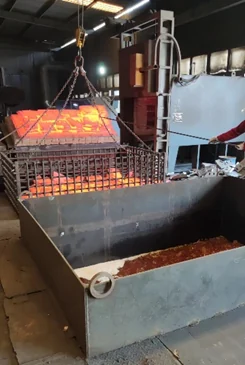
Figure 6 | KR8280 Application on-site
Working Together for a New Future in the Industry
The development and application of the KR8280 Uniform Cooling Medium in the wear-resistant materials industry represents the deep expertise of Nanjing KERUN Industrial Fluid Co., Ltd. in the field of materials science and technology. We are always attentive to industry trends, listen to customer needs, and drive innovation to continuously deliver better products and solutions.
If you are facing quenching process challenges in high-chromium wear castings or similar industries, we invite you to contact us. Nanjing KERUN Industrial Fluid Co., Ltd. is eager to collaborate with you, leveraging the KR8280 Uniform Cooling Medium to enhance product quality, reduce production costs, and jointly explore markets for a brighter future in the industry.