In our previous post, we explored the features and application areas of KERUN® water-soluble quenching fluid KR8280.
Today, let’s take a closer look at its real-world operation — how to correctly prepare, use, and maintain KR8280 to achieve stable and long-lasting quenching performance in production environments.
Practical and experience-based, this guide is worth saving for future reference.
PART 01|Initial Solution Preparation
Cleaning of the Quenching Tank and Circulation Pipelines:
(1) Cleaning a New Quenching Tank
Remove any dust or impurities from the new tank and pipelines before use to ensure a clean system for fluid preparation.
(2) Cleaning an Existing Quenching Tank
If the system previously contained oil: Thoroughly clean the tank and circulation lines using an industrial cleaning agent to remove residual oil before preparing the new quenching fluid.
If the system previously contained water: Flush the circulation system with a diluted biocide solution to eliminate residual contaminants and bacteria. Drain the wastewater completely before preparing the new solution.
Preparation:
Fill the quenching tank with clean tap water up to approximately 50% of the normal operating level (it is recommended to use water with a conductivity below 300 µS/cm).
Add the required amount of KR8280 quenching concentrate according to the target concentration, while stirring and circulating the solution.
Then, add water to reach the normal liquid level and continue circulation and agitation for 8–12 hours to ensure a completely homogeneous quenching solution throughout the system.
Concentration Monitoring:
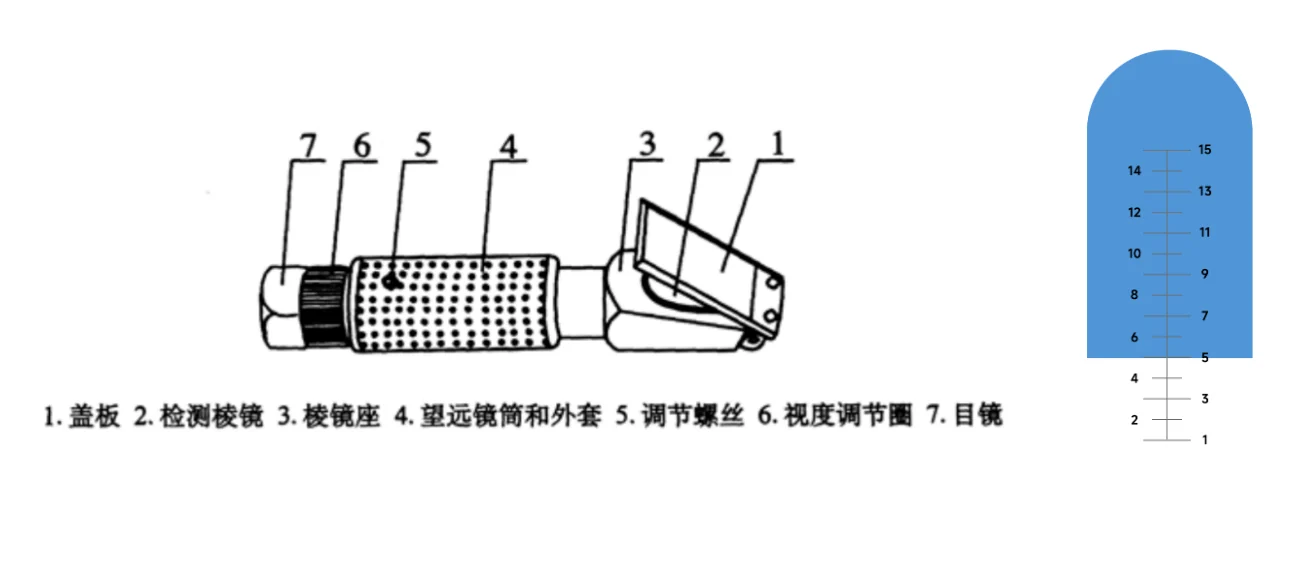
After the quenching solution has been fully mixed and circulated evenly, measure the refractometer readings at several points around the quenching tank to verify that the concentration is uniform and meets the required specification.
On the production site, a handheld refractometer can be used to monitor the concentration of KR8280. The concentration is calculated by multiplying the refractometer reading by its correlation factor:
KR8280 concentration = refractometer reading × 2.8
This method is also applicable for routine daily monitoring of the quenching solution.
PART 02|Routine Maintenance
Temperature Control:
The temperature of KR8280 quenching fluid should be maintained within the range of 10–45 °C, with an optimal operating range between 20–40 °C.
During batch production, the circulating cooling system should be activated to keep the quenching fluid temperature stable.
It is recommended to install a temperature display or monitor at the quenching station to allow real-time observation and control of fluid temperature.
Routine Maintenance Measures:
(1) Prevent Contamination
Avoid the ingress of oil, dust, or other foreign materials into the quenching fluid, as these contaminants may impair its cooling performance and cause deterioration or unpleasant odor.
(2) Monitor pH Regularly
Periodically check the pH value of the quenching fluid. It is recommended to maintain the pH between 8.5 and 10.5.
If the pH value drops, add an appropriate amount of KR8280 concentrate to restore balance.
Should the pH remain low after adjustment, please contact Kerun’s technical service team for further assistance and optimization.
(3) Circulate During Long Idle Periods
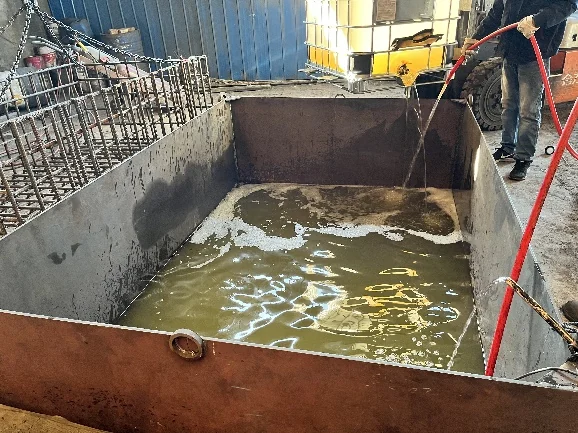
If the quenching system is inactive for an extended time, circulate and stir the solution every 3–7 days to prevent the growth of anaerobic bacteria, which can negatively affect the fluid’s performance.
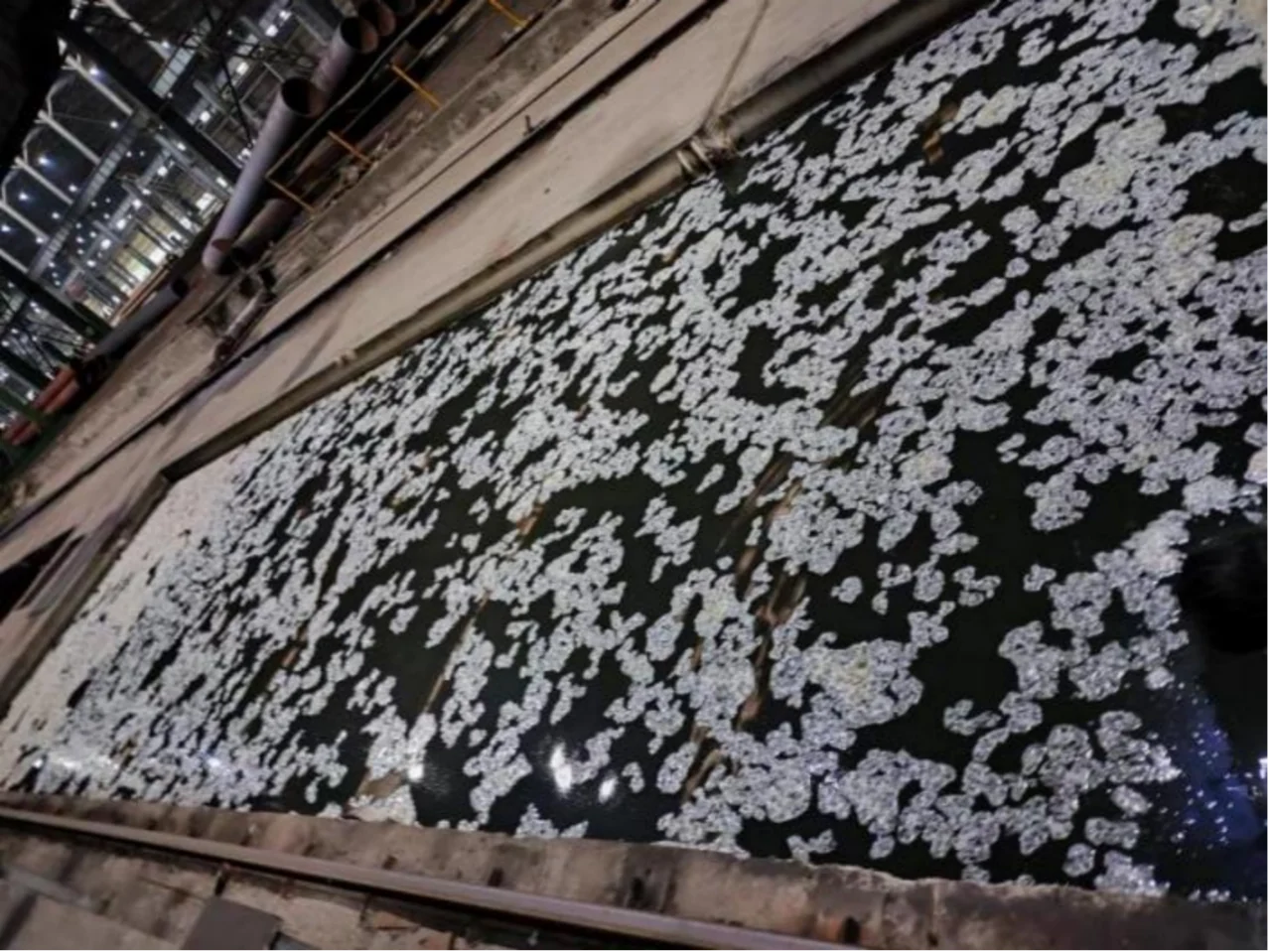
Figure|Appearance of Quenching Fluid with Severe Bacterial Growth and Odor
(4) Perform Sedimentation and Filtration
Every six to twelve months, carry out sedimentation and residue filtration to maintain the cleanliness of the quenching fluid and ensure stable performance.
(5) Reuse Cleaning Fluid to Reduce Consumption
After quenching, the workpieces can be cleaned with clean water or diluted quenching solution.
The used cleaning fluid can then be returned to the quenching tank, allowing the quenching agent to be recycled and significantly reducing overall fluid consumption.
Concentration Monitoring
Refractometer Measurement
Before production, the quenching fluid concentration in the tank can be measured using a refractometer as a reference (the instrument should be calibrated prior to measurement).
However, after long-term use, contamination from oil, dust, or residues from previous processes may cause deviations in the refractometer readings.
Therefore, it is necessary to periodically verify the actual concentration by alternative testing methods and adjust the refractive index correction factor accordingly.
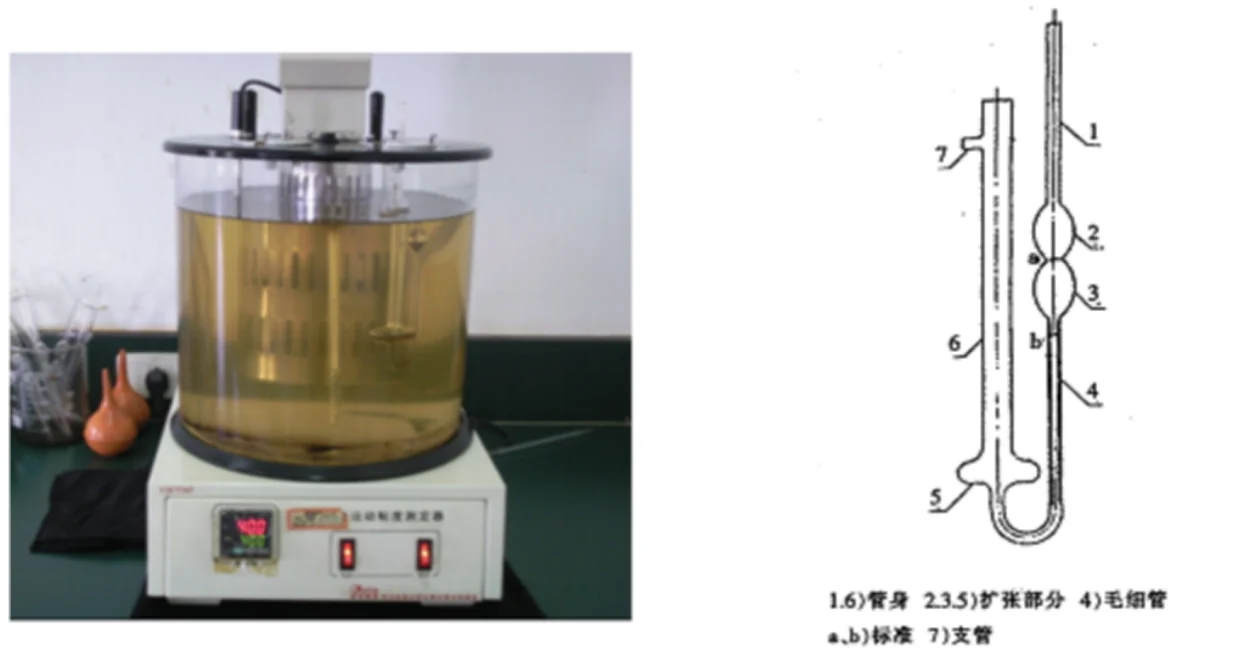
Kinematic Viscosity Measurement
During operation, quenching fluids may experience varying levels of contamination.
For users operating at higher concentrations (≥8%), it is recommended to use a kinematic viscometer.
Measuring the kinematic viscosity provides a more accurate reflection of the fluid concentration and helps ensure precise control of the quenching solution during production.
Cooling Characteristics Measurement
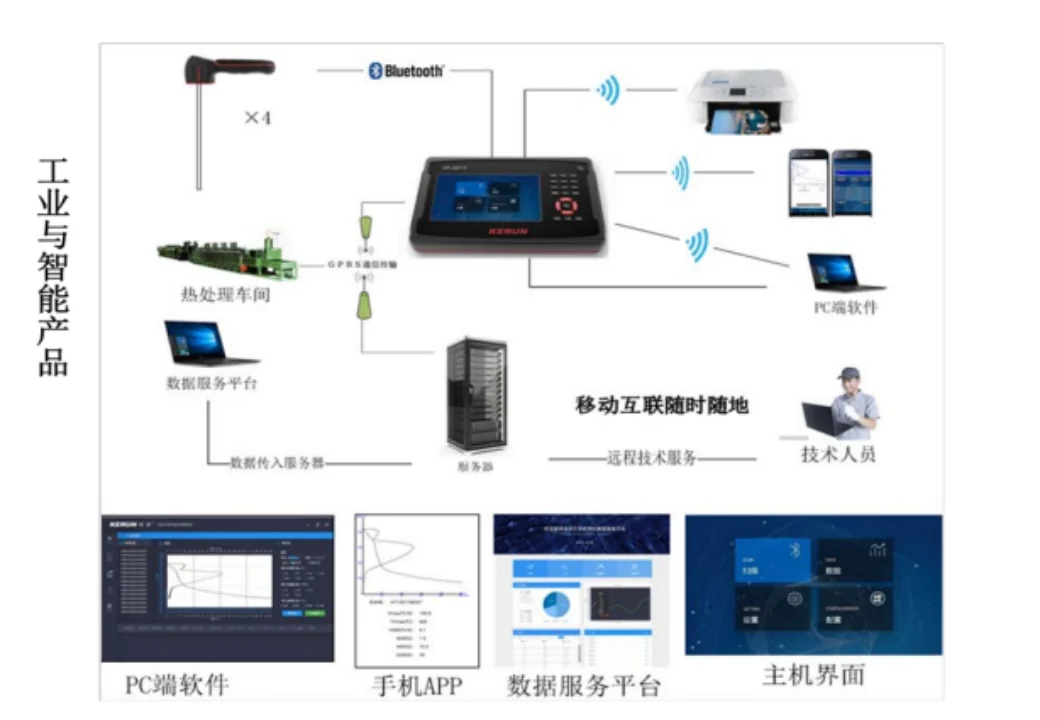
A cooling characteristic tester can also be used to directly evaluate the cooling performance of the quenching fluid, providing an effective means of process control and ensuring consistent quenching quality.
Sample Testing
For quenching fluids that have been used over an extended period, customers are advised to send a 2 kg sample of the quenching fluid to Kerun.
Kerun will analyze the actual cooling characteristics to determine the true concentration, and provide feedback to assist customers in accurate concentration management.
Replenishment Principle
Each factory should assign a dedicated operator to regularly measure and record the quenching fluid concentration.
Based on production conditions, establish a correlation between quenching agent consumption and product output, and use this data to plan timely and quantitative replenishment.
It is recommended to adopt a high-frequency, small-quantity replenishment strategy to maintain stable concentration during production.
Replacement Principle
When replenishment of KERUN® water-soluble quenching concentrate can no longer meet product technical requirements, a complete tank replacement is recommended.
PART 03|Real Customer Case
Nanjing Kerun Industrial Media Co., Ltd. has long been committed to providing customers with high-quality products and process solutions.
Since its market launch, the KR8280 uniform cooling medium has been successfully applied in multiple customer facilities, delivering remarkable results.
One representative case involves a customer producing wear-resistant liners with a chromium content of 10–12%.
Previously, the components were air-quenched, resulting in a hardness of only 55–56 HRC, with unstable quality and occasional soft spots.
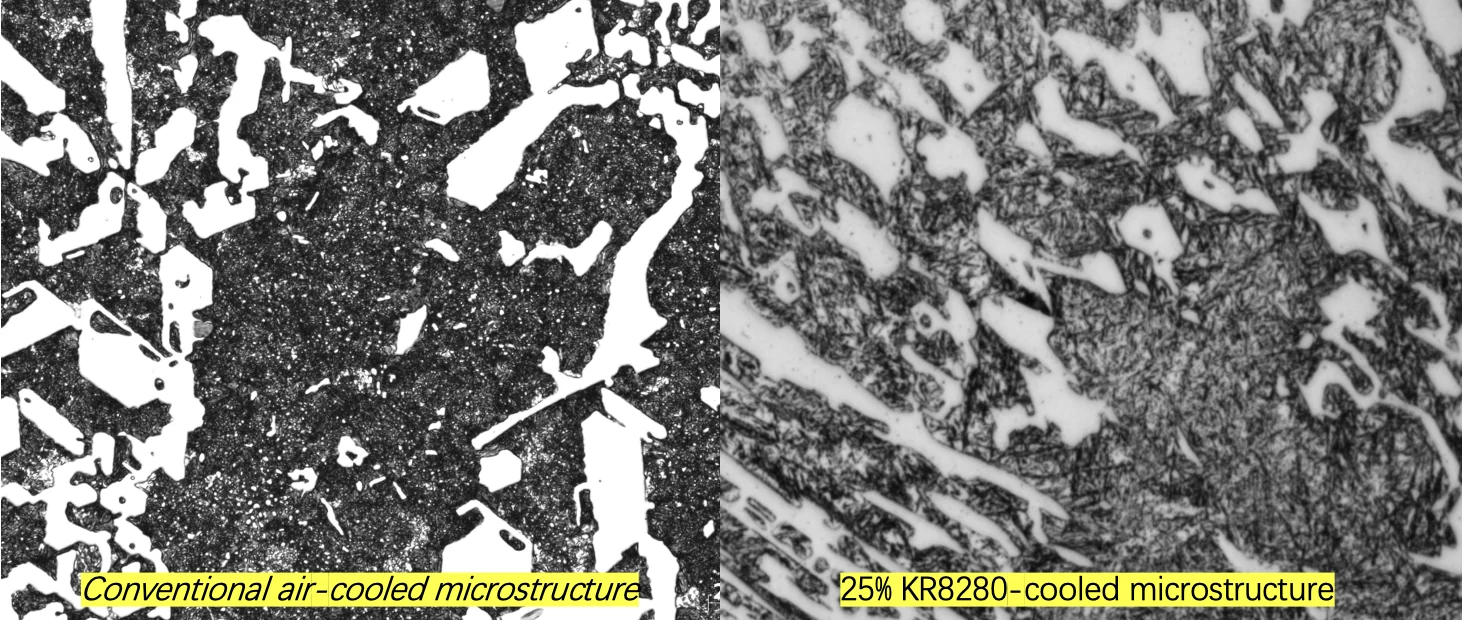
After switching to 25% KR8280 uniform cooling medium for quenching, the hardness increased to 59–60 HRC, with consistently uniform results.

Figure|Wear-Resistant Liners and Blades
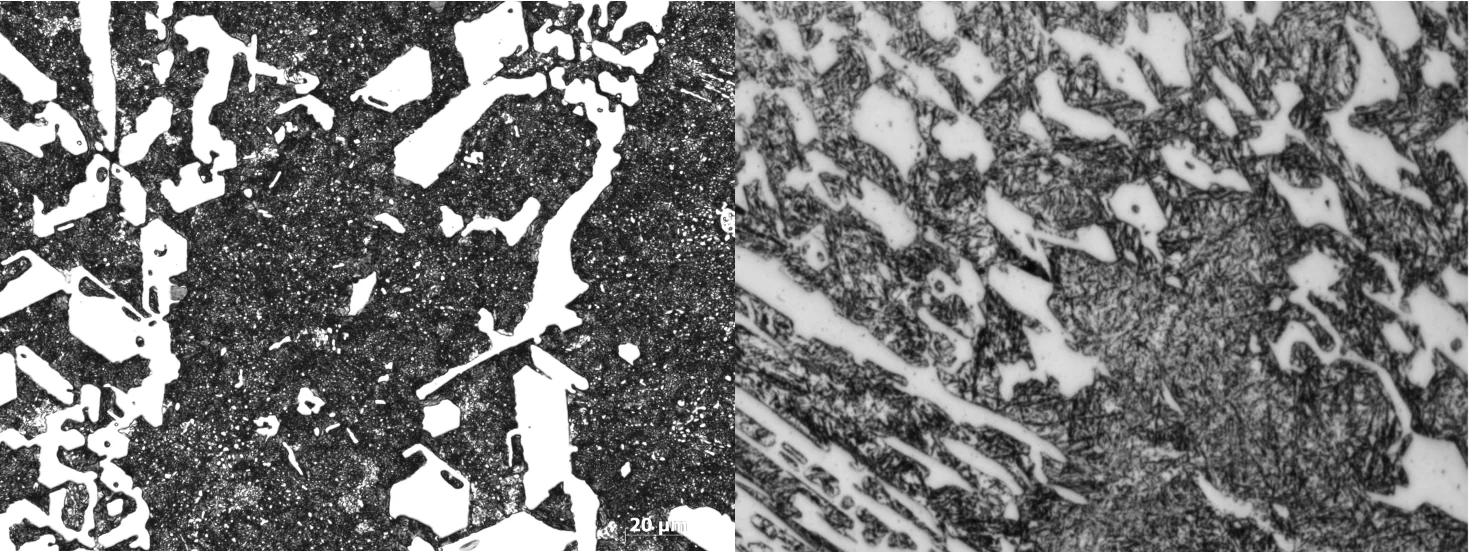
Figure|Conventional Air-Quenched Microstructure (Left)
25% KR8280 Quenched Microstructure (Right)
The above highlights the key points for the on-site use, maintenance, and customer applications of KR8280 water-soluble quenching fluid.
Following proper operating procedures not only improves quenching quality, but is also essential for extending fluid life and reducing production costs.
If you encounter any issues during use, please contact Kerun’s national service hotline at 4008-818-101, or leave us a message through our official WeChat account.
Our technical team will provide you with professional and detailed support to ensure reliable and efficient operation.